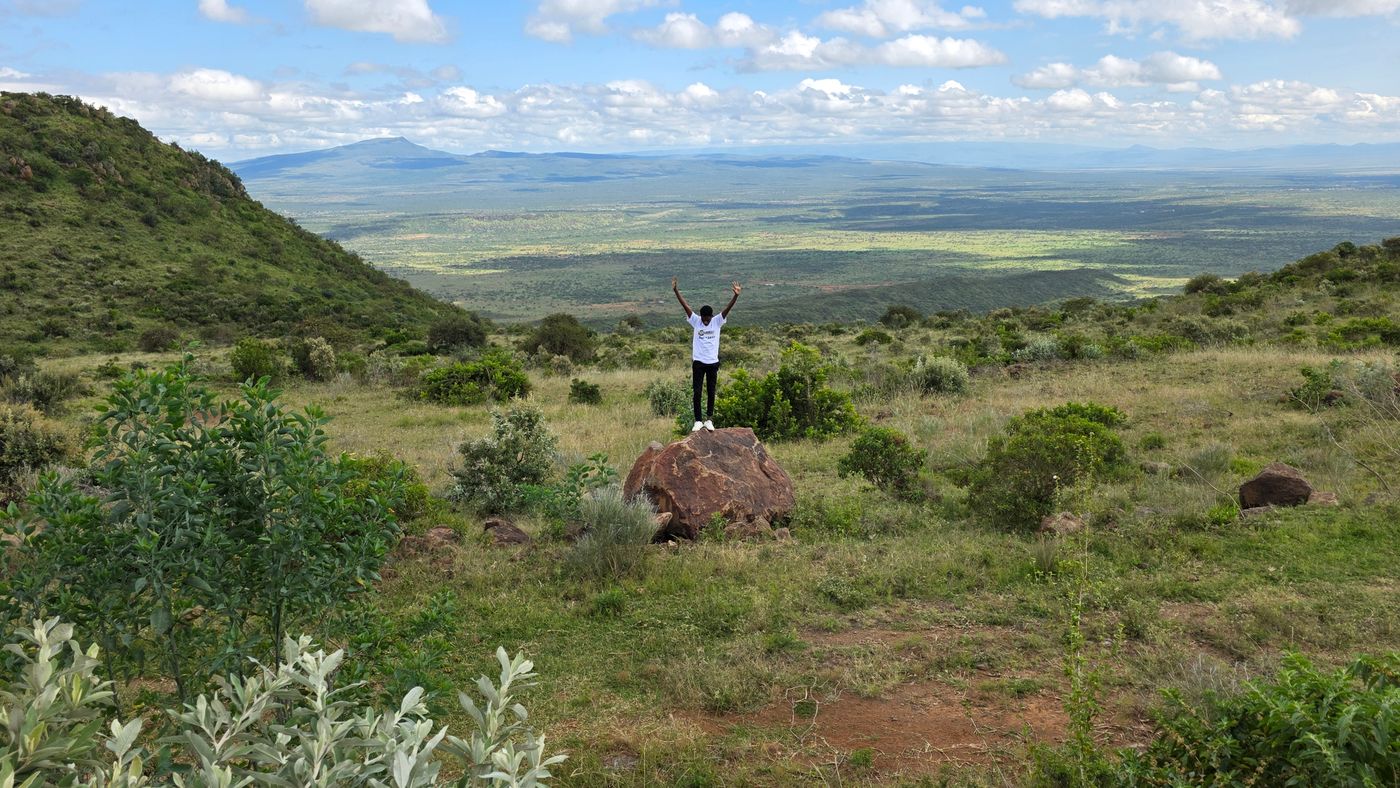
Most people can do a safari. The main demands are patience, early starts and long days sitting in a vehicle, not athleticism. Still, it is worth knowing what a typical day asks of your body so you can choose the right trip.
A typical day
You will usually be up early, because animals are most active at dawn, and out again in the late afternoon. In between there is rest, meals and the pool. Our typical day on safari walks through it hour by hour.
What is physically involved
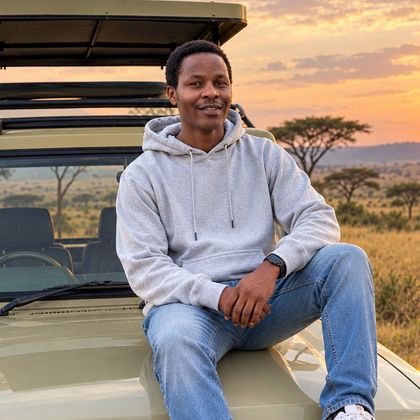
- Long hours in the vehicle. Park tracks are unpaved and can be bumpy, so a day of driving can leave you stiff.
- Getting in and out. Safari vehicles are high, so you will climb up and down. In the Maasai Mara you may leave the vehicle only at designated picnic sites or gates, so there is not much walking on a standard game drive.
- Luggage. If you fly between camps, you will need to pack within a 15 kg soft-bag limit on most Safarilink routes. See our flights and baggage guide.
- Heat, dust and sun. Dress for it and drink water. See what to wear on safari.
Altitude
Nairobi sits at roughly 1,800 metres above sea level, and many of the parks are also well above 1,000 metres. Most visitors adjust easily, but some feel more tired or breathless on the first day. Take it easy on arrival, drink plenty of water and speak to your doctor if you have heart or breathing concerns.
Optional activities and what they ask of you
- Hot-air balloon. Early start and a climb into the basket. At Governors’ Balloon Safaris in the Mara, passengers must be at least eight years old and taller than 1.2 metres, and flights last about an hour. See our balloon safari guide.
- Walking safaris. Offered in some conservancies and areas, with a guide. See our walking safari guide.
- Climbing Mount Kenya. This is a real mountain trek that needs training. See Mount Kenya climbing.
If you have limited mobility or a bad back
Tell your operator when you book. A slower pace, shorter days, extra rest stops and careful vehicle choices can all be arranged. Read accessible safaris for what to ask. You can also see our guide for older travellers.
How to prepare
A few weeks of regular walking, some core and back stretches, and a sensible night’s sleep before travel are plenty for most people. If you take regular medication, bring it in your hand luggage.
Frequently asked questions
Is a Kenya safari physically demanding?
Not usually. The main effort is long days in a vehicle, early starts and packing light, not strenuous activity.
Do I need to be fit for a safari?
Basic mobility is enough for a standard safari. Optional treks such as Mount Kenya need real training.
Will altitude affect me in Kenya?
Nairobi is roughly 1,800 metres above sea level. Most people are fine, but you may feel tired on the first day. Check with your doctor if you have health concerns.
Can I go on safari with a bad back?
Often yes, with a slower itinerary and the right vehicle. Tell your operator when you book.
Is there a lot of walking?
On a standard game drive, no. In the Maasai Mara you may leave the vehicle only at designated sites. Walking safaris are optional.
Want help planning? Talk to our team and tell us your dates, who is travelling and what you would like to see.
Mara vehicle rules checked on 5 November 2026 on the reserve’s rules page; balloon age and height rules on the Governors’ Balloon Safaris FAQ; baggage on Safarilink. Not medical advice.