Most visitors to Kenya’s coast head for the beach. A short drive inland, Arabuko Sokoke Forest offers something very different: shade, birdsong and species that live almost nowhere else on Earth.
Where it is and how big it is
The forest is on Kenya’s coast, roughly 110 kilometres north of Mombasa. The surrounding forest reserve covers about 420 square kilometres and is described as the largest remaining coastal forest fragment in East Africa. The national park sits at its northwestern edge and adjoins Mida Creek.
Three kinds of forest
The reserve has three main forest types: mixed forest, Brachystegia and Cynometra. Each supports different plants and animals.
Species to look for
- Clarke’s weaver: a bird found only in this forest.
- Sokoke scops owl: found only here and in one forest fragment in Tanzania.
- Golden-rumped elephant shrew: a small mammal restricted to the coastal forests.
- Aders’ duiker: a small antelope found only here and on Zanzibar.
- Sokoke pipit and Sokoke bushy-tailed mongoose: two more specialities of the forest.
Protection
The forest was first protected as a Crown Forest in 1943 and gazetted in the 1960s, and the national park was gazetted in the late 1980s. It is described as one of the better-protected forests in Kenya. Visiting responsibly helps make the case for keeping it.
Combine it with Gedi
The medieval ruins of Gedi lie inside the forest, so the two make a natural day trip. For the beach, see safari and beach holidays.
Tips
- Bring binoculars and be ready for early starts.
- Wear neutral colours and closed shoes. See what to wear.
- Ask your guide about the species you most want to see, because some are elusive.
Mida Creek
The park adjoins Mida Creek, a mangrove forest and an important wintering ground for shorebirds, including the Terek sandpiper and the crab plover.
Other wildlife
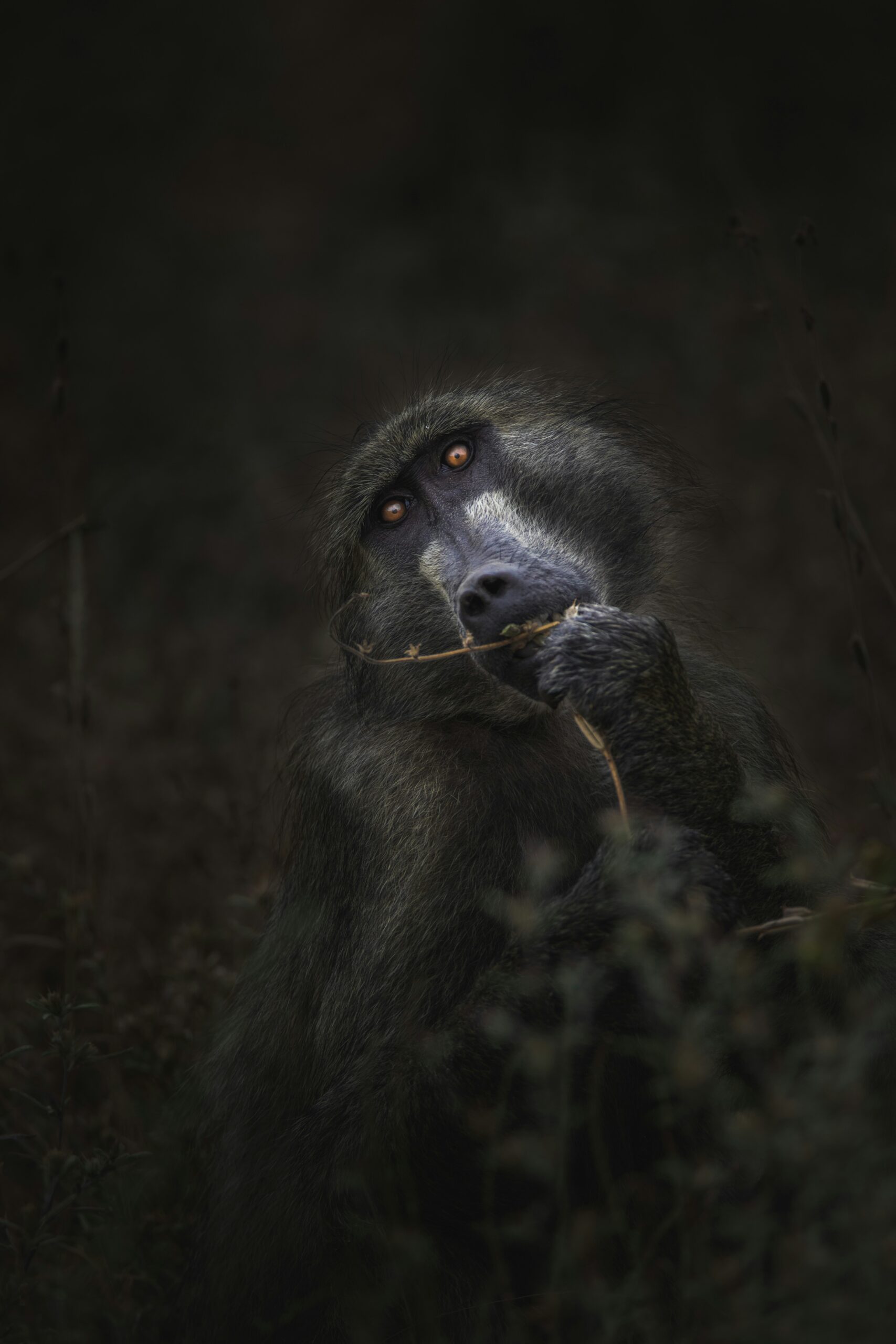
Savannah elephants live in the forest, along with African civets, baboons and vervet monkeys. The forest is also recognised as an outstanding centre of amphibian diversity.
Who looks after it
The forest reserve is jointly managed by several bodies, including the Kenya Forest Service, the Kenya Wildlife Service and the National Museums of Kenya. A scheme called ASSETS, the Arabuko-Sokoke Schools and Eco-tourism Scheme, links forest conservation with local education.
Visiting with a guide
The main pressure on the forest is local people’s demand for land. The park’s outer section is inhabited by local communities, and there are no ground signs marking where the park begins or ends. Go with a guide who knows the boundaries and the trails.
Frequently asked questions
Where is Arabuko Sokoke Forest?
On Kenya’s coast, roughly 110 kilometres north of Mombasa.
How big is it?
The forest reserve covers about 420 square kilometres.
What is special about it?
It is the largest remaining coastal forest fragment in East Africa and has species such as Clarke’s weaver found only here.
Can I visit Gedi Ruins at the same time?
Yes. The ruins lie within the forest, so they combine easily.
Are there elephants in Arabuko Sokoke?
Yes. Savannah elephants live in the forest, along with civets, baboons and vervet monkeys.
Who manages the forest?
The reserve is jointly managed by several bodies, including the Kenya Forest Service, the Kenya Wildlife Service and the National Museums of Kenya.
Want help planning? Talk to our team and tell us your dates, who is travelling and what you would like to see.
Facts checked on 5 November 2026 from Wikipedia’s Arabuko Sokoke Forest entry (secondary source).