Meru National Park lies northeast of Mount Kenya, on the edge of the country’s arid north. It is wilder and far less visited than the Maasai Mara, which makes it popular with travellers who want a quieter, more adventurous safari.
Why Visit Meru?
- Few vehicles: you will often have sightings to yourself.
- Varied landscape: grasslands, palm-lined rivers, swamps and rocky hills.
- Rhinos: the park has a protected rhino sanctuary and has seen a major conservation recovery in recent decades.
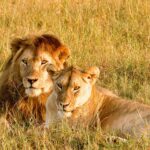
- Wildlife variety: elephants, buffalo, lions, leopards, cheetah and several northern species such as reticulated giraffe and Grevy’s zebra can be seen.
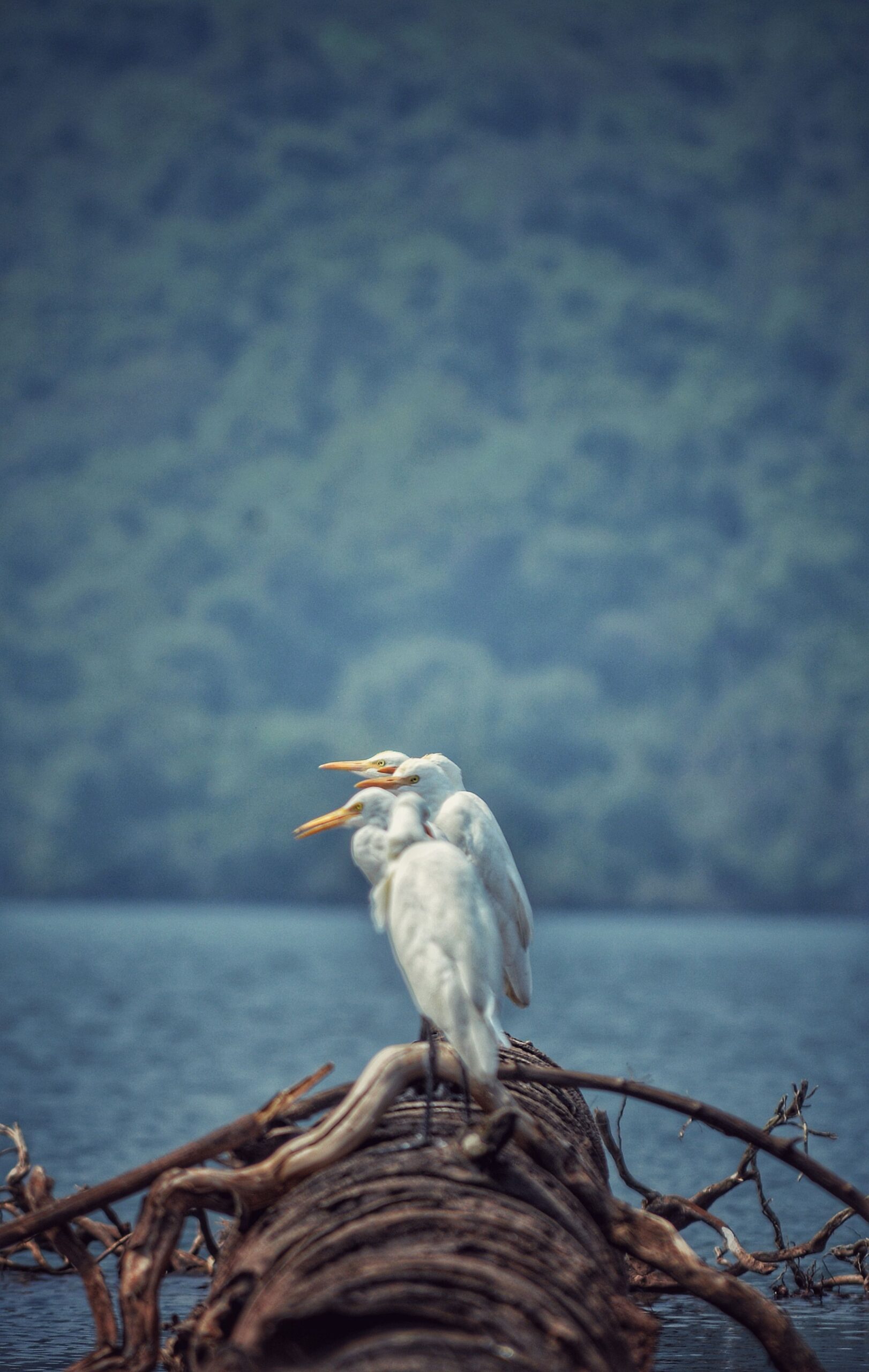
- Birdlife: more than 400 species are recorded, helped by the many rivers.
Conservation History
Meru was heavily affected by poaching in the 1980s. Years of protection and community work have helped wildlife numbers recover, and the park is now considered a conservation success story. Your visit supports that work through park fees.
Getting There
Meru is a long day’s drive from Nairobi, or a short flight to a nearby airstrip. Most itineraries link it with Mount Kenya, Samburu or Ol Pejeta. We recommend at least two nights so that you are not spending most of your time on the road.
Best Time to Visit
The drier months of June to October and January to February make wildlife easier to find. The rainy seasons bring green scenery and reduce visibility, and some tracks may be slow.
Tips
- Choose a 4×4 vehicle and an experienced guide, as tracks can be rough.
- Bring insect repellent, especially near rivers.
- Check current park rules and fees before travel. We confirm these in your quote.
Interested in a quiet northern safari? Message us on WhatsApp +254 794 588 242.